

-
Contact number:
+86 752 3339581 / 3339952 +86 755 84660522 / 84682177


time:2026-08-13 Editorial:Mike Views:0
The solar LED lighting industry is entering a new stage of technological development, with manufacturers focusing more on efficiency, reliability, and intelligent energy management. As global demand for clean energy solutions continues to grow, advanced battery technology, high-efficiency solar modules, and integrated solar lighting systems are becoming key drivers of market growth.
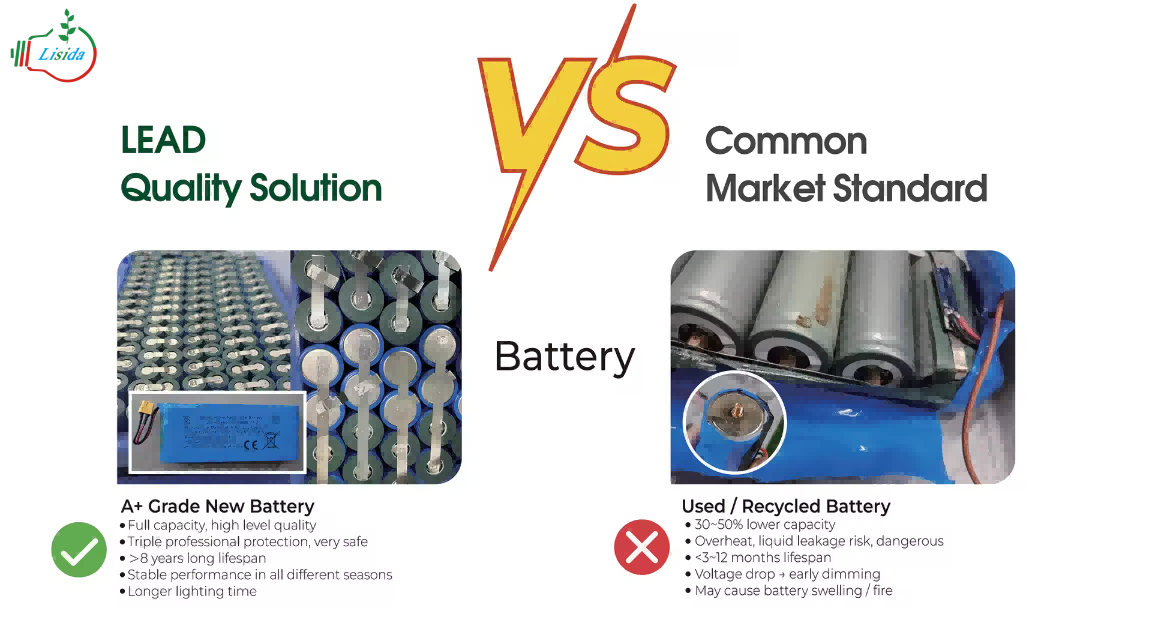
1. Battery Technology Upgrades Improve Reliability
Battery performance is one of the most important factors affecting the overall efficiency and lifespan of solar LED lighting systems. In recent years, lithium battery technology has become the mainstream choice for high-quality solar lighting products, especially LiFePO₄ (Lithium Iron Phosphate) batteries and other high-cycle-life lithium solutions.
Compared with traditional battery technologies, LiFePO₄ batteries offer significant advantages, including higher safety, longer service life, better thermal stability, and improved performance in outdoor environments. These features make them especially suitable for solar street lights, solar flood lights, and other outdoor lighting applications that require long-term operation.
At the same time, the development of high-capacity battery cells is helping solar lights achieve longer backup times during cloudy or rainy days. With larger energy storage capacity, lighting systems can maintain stable illumination even under limited sunlight conditions.
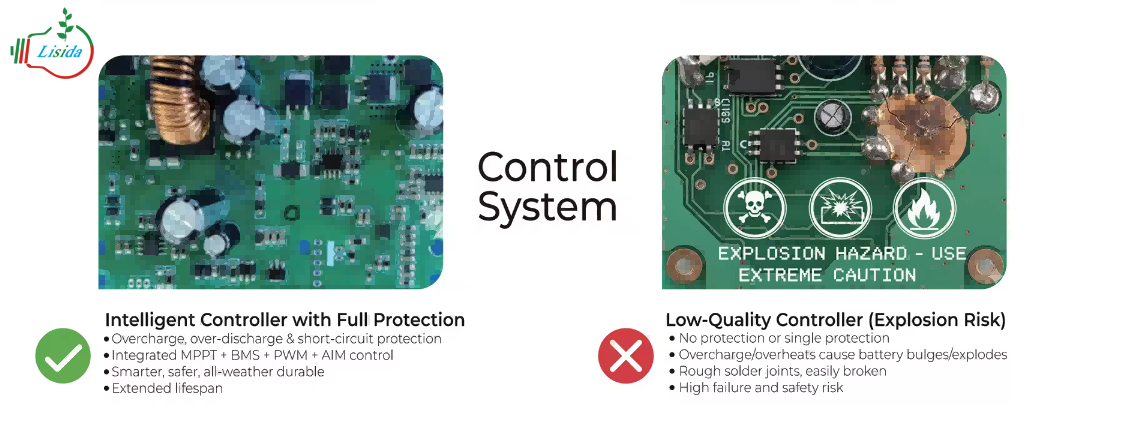
Another important trend is the application of intelligent Battery Management Systems (BMS). Smart BMS technology can monitor battery status in real time and provide protection against overcharging, over-discharging, overheating, and other potential risks. This improves safety, extends battery lifespan, and enhances the overall reliability of solar lighting systems.
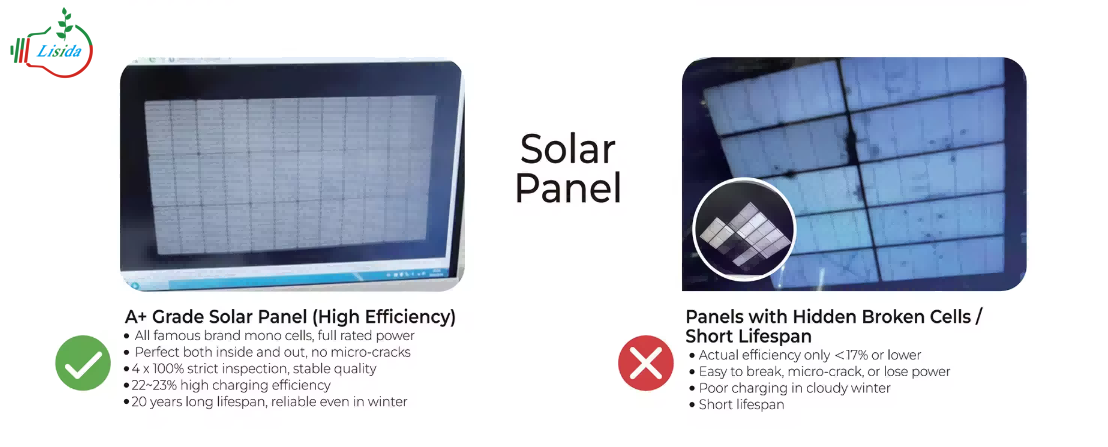
2. High-Efficiency Solar Modules Improve Energy Collection
Solar panel technology is also continuously improving. Modern solar LED lighting products are increasingly adopting monocrystalline silicon solar panels and advanced technologies .
These high-efficiency solar modules can generate more electricity from the same surface area, allowing solar lighting products to achieve higher performance with a more compact design. This is particularly important for areas with limited installation space or regions with lower solar radiation.
Improved solar conversion efficiency helps solar lights maintain stable operation in challenging weather conditions, including areas with fewer sunlight hours, winter seasons, and frequent cloudy or rainy weather. By collecting and storing more solar energy during the day, lighting systems can provide longer and more consistent illumination at night.
3. Integrated Solar Lights Continue to Gain Market Popularity
Among current solar lighting solutions, all-in-one solar street lights are becoming increasingly popular in both domestic and international markets. These products integrate solar panels, LED lighting modules, batteries, and intelligent control systems into a single unit, offering a more convenient and efficient lighting solution.
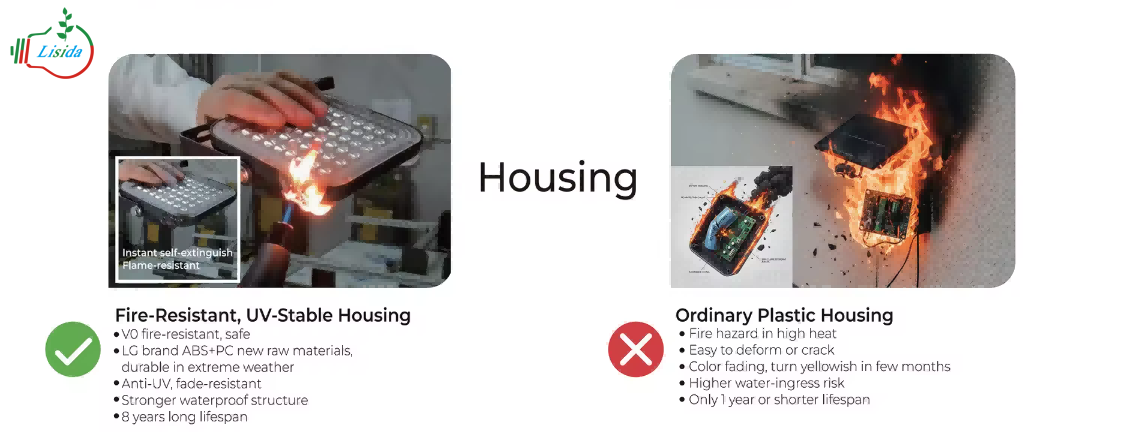
Compared with traditional grid-connected lighting systems, integrated solar lights provide several advantages:
• Simple installation without underground cables;
• Lower construction and maintenance costs;
• Flexible deployment in remote areas;
• Environmentally friendly operation with zero electricity bills.
Because of these advantages, integrated solar lighting systems are widely used in various applications, including roads, rural areas, industrial parks, residential communities, public parks, and commercial projects.
Especially in overseas markets, integrated solar street lights have become an ideal solution for regions where electricity infrastructure is limited or where governments and organizations are promoting renewable energy development.
The future of solar LED lighting will be shaped by continuous innovation in battery technology, solar energy conversion efficiency, and intelligent system integration. As customers increasingly demand longer lifespan, higher reliability, and smarter control functions, solar lighting manufacturers must continue improving product performance and technological capabilities.
With advanced batteries, efficient solar modules, and integrated designs, modern solar LED lighting solutions are becoming more reliable, cost-effective, and suitable for a wider range of global applications. These technology trends will continue to drive the growth of the solar lighting industry and support the transition toward a greener and more sustainable future.

Frequently Asked Questions About Solar LED Lighting Technology
1. What are the latest technology trends in solar LED lighting?
The latest trends include high-efficiency solar panels, LiFePO₄ batteries, intelligent Battery Management Systems (BMS), AI-powered lighting control, IoT remote monitoring, motion sensing, and integrated all-in-one solar lighting systems. These technologies help improve energy efficiency, lighting performance, reliability, and overall product lifespan. LEAD OPTO continuously follows these technology trends to develop more efficient and reliable solar lighting solutions for global markets.
LiFePO₄ batteries offer excellent safety, long cycle life, thermal stability, and reliable performance in outdoor environments. They are particularly suitable for solar street lights, solar flood lights, solar wall lights, and other applications that require long-term operation. By combining high-quality LiFePO₄ batteries with intelligent BMS technology, LEAD OPTO solar lighting products can provide more stable performance and better battery protection.
High-efficiency solar panels, including advanced monocrystalline , can generate more electricity from the same panel area. This allows solar lighting systems to collect and store more energy during the daytime, helping them operate more reliably at night and during periods of limited sunlight. LEAD OPTO uses high-efficiency solar energy technologies to improve the energy collection capability and overall performance of its solar lighting products.
All-in-one solar lights integrate the solar panel, LED light source, battery, and control system into a single compact unit. This design simplifies installation, eliminates underground electrical cables, reduces construction and maintenance costs, and makes the lights suitable for remote or off-grid locations. LEAD OPTO provides integrated solar lighting solutions for applications such as roads, residential areas, gardens, industrial parks, commercial projects, and rural areas.
Smart technologies such as motion sensors, intelligent power management, AI-based lighting control, and IoT remote monitoring can automatically adjust lighting output according to environmental conditions and usage requirements. This helps reduce unnecessary energy consumption while maintaining sufficient illumination when needed. LEAD OPTO is continuously developing smarter solar lighting solutions that combine energy efficiency, intelligent control, and reliable outdoor performance.

Whatsapp/Wechat: +86 15019255365

Whatsapp/Wechat: +86 15019255365
+86 752 3339581 / 3339952 +86 755 84660522 / 84682177
lead@lead-lighting.com


 EN
EN Home >