

-
Contact number:
+86 752 3339581 / 3339952 +86 755 84660522 / 84682177


time:2026-09-08 Editorial:Mike Views:0
As cities around the world continue to expand, reliable and sustainable lighting has become an increasingly vital component of modern urban infrastructure. Streets, parks, parking areas, pedestrian walkways, residential communities, and public spaces all require safe and efficient illumination. However, traditional grid-connected lighting systems often incur high electricity costs and involve complex cable laying, power access, civil works, and ongoing maintenance. Moreover, the lengthy construction cycles of traditional cable-laying projects frequently lead to traffic congestion, noise, and dust, whereas solar lighting requires minimal engineering work and lower labor costs, enabling a rapid upgrade of a city’s lighting system.
Solar lighting is emerging as a highly practical alternative. By combining solar panels, high‑efficiency LED technology, batteries, and intelligent lighting controls, modern solar lighting systems can deliver reliable outdoor illumination without relying entirely on the conventional power grid.
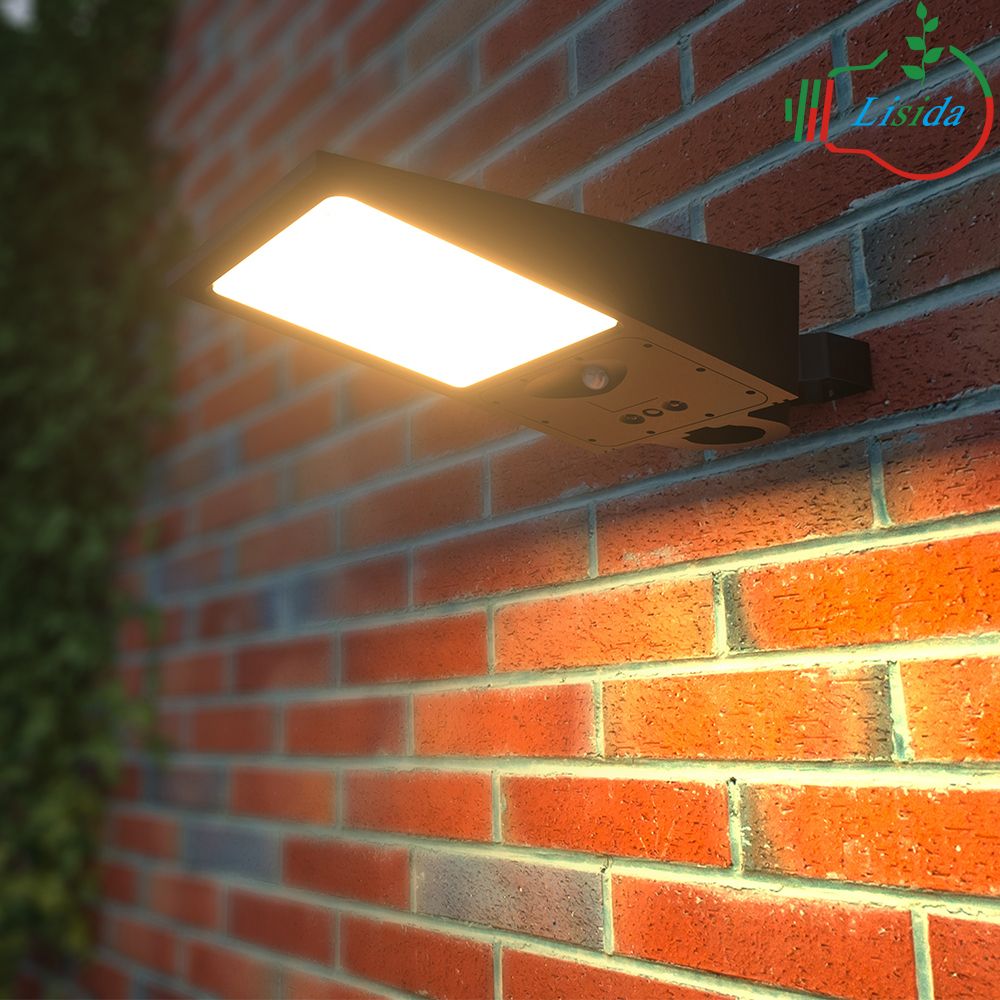
Safety and Resilience in Underserved Neighborhoods
Perhaps nowhere is the impact of solar lighting more visible than in communities long neglected by traditional infrastructure. In Fort Worth, Texas, a $12 million initiative is installing more than 3,400 solar‑powered streetlights across 30 neighborhoods. The city’s Public Works Director noted that only 40 percent of residents expressed satisfaction with existing street lighting—a figure the city deemed “simply unacceptable.” The Fonroche SmartLights being deployed are entirely off‑grid, providing 365 nights of uninterrupted illumination each year without trenches, wires, or utility connections. The city anticipates $3 million in annual savings on energy and maintenance expenses.
Similarly, Los Angeles has launched a historic initiative to repair and replace up to 60,000 street lights citywide over two years, with hundreds of solar units already installed in neighborhoods including Watts, Historic Filipinotown, and Granada Hills. Solar streetlights equipped with integrated battery storage provide dependable illumination even during grid disruptions, and because they do not utilize copper wire, they are far less vulnerable to theft—a problem that has cost cities millions. This is much like the situation in China in the 1990s, when manhole cover theft was rampant; once covers were replaced with cast‑concrete versions, the issue was fundamentally resolved.
Economic and Environmental Benefits at Scale
The economic case for solar lighting is compelling. According to the International Energy Agency and the World Bank, each solar streetlight can save a municipality an average of €80 to €150 per year on its energy bill. Off‑grid configurations eliminate expensive trenching, conduit placement, and utility coordination—reducing civil engineering costs by 30 to 40 percent. In Hyderabad, India, the Cyberabad Municipal Corporation is implementing smart solar LED streetlight systems with remote IoT monitoring and a GIS‑based asset intelligence platform, enabling officials to monitor the functioning, energy consumption, and battery health of every unit in real time.
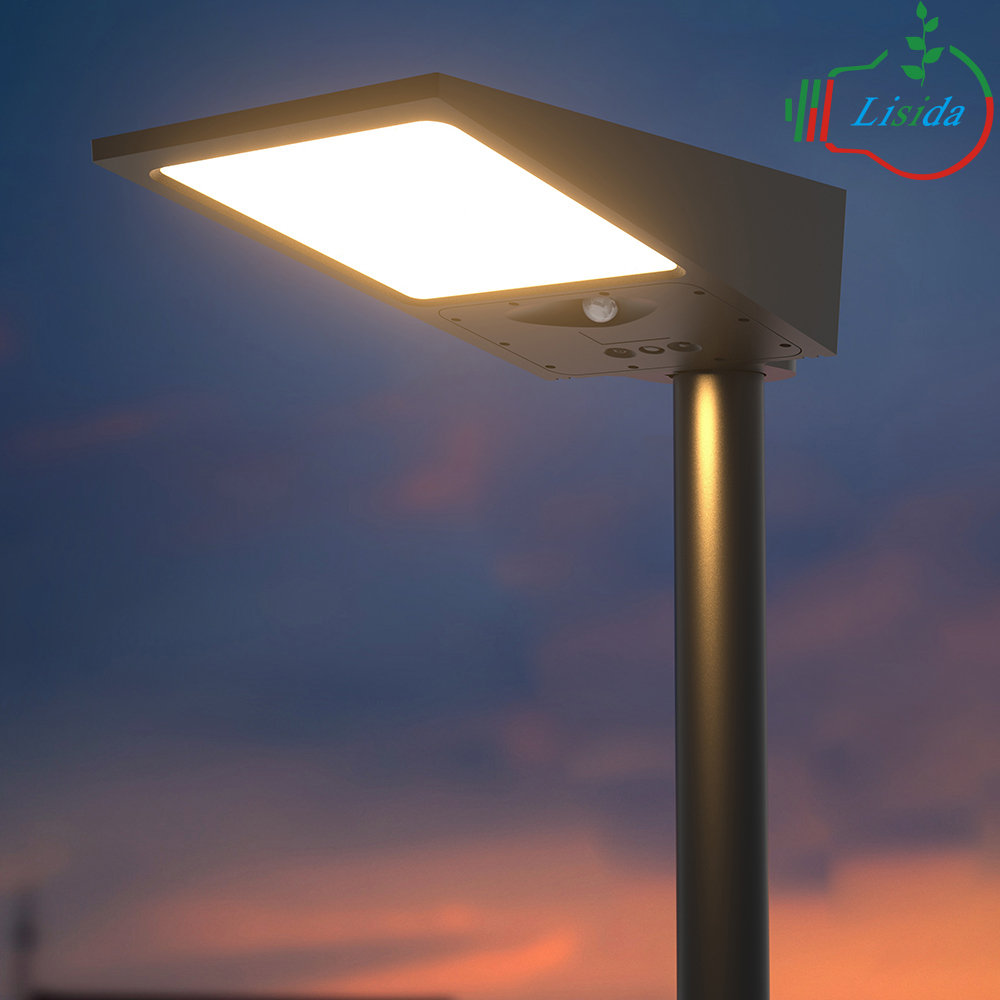
Beyond cost savings, the environmental impact is substantial. Research shows that over 20 years, replacing conventional streetlights with solar alternatives can save 42,400 tons of CO₂ emissions. Cities embracing solar lighting are not just cutting costs—they are advancing their renewable energy transitions and building infrastructure that is more resilient, more equitable, and more sustainable for the decades ahead. This trend is akin to the shift toward electric vehicles: internal combustion engine cars are gradually being replaced by new energy vehicles. Given the severity of global greenhouse effects and the increasing frequency of natural disasters in recent years, humanity must find greener solutions in a short time to protect the planet we all depend on.
FAQ
1. How much money can a city save by switching to solar street lighting?
Savings vary by project scale, but the numbers are significant. According to the International Energy Agency and the World Bank, each solar streetlight can save a municipality an average of €80 to €150 per year on energy bills. Fort Worth, Texas, anticipates $3 million in annual savings on energy and maintenance expenses from its 3,400‑unit solar lighting initiative. Additionally, off‑grid solar installations eliminate the need for expensive trenching and utility coordination, reducing civil engineering costs by 30 to 40 percent.
2. Are solar streetlights reliable during power outages or cloudy weather?
Yes. Modern solar streetlights are equipped with integrated battery storage that provides dependable illumination even during grid disruptions. For example, the Nelson Mandela Bridge in Johannesburg features smart‑controlled luminaires that can operate for up to three nights without recharging, even under difficult lighting conditions. Fort Worth’s solar streetlights are designed to withstand extreme weather and provide 365 nights of uninterrupted illumination each year.
3. How does solar lighting improve public safety beyond just providing light?
Solar lighting enhances safety in multiple ways. It eliminates dark spots in underserved neighborhoods, as seen in Fort Worth where 30 neighborhoods are receiving new lighting. Many systems integrate surveillance modules and tracking technology—the Nelson Mandela Bridge lights include tracking modules that trigger instant alarms in case of theft attempts, while Abuja’s “Light Up Abuja” project integrates surveillance modules connected to a centralized control room for real‑time security monitoring. Smart sensors also increase brightness when people approach, improving safety for pedestrians and cyclists.
4. How does solar lighting contribute to a city’s environmental goals?
Solar lighting significantly reduces greenhouse gas emissions and grid electricity consumption. Research shows that over 20 years, replacing conventional streetlights with solar alternatives can save 42,400 tons of CO₂ emissions. Edinburgh’s hybrid solar park lighting reduced grid energy consumption by 53 percent. By generating electricity from the sun, these systems help cities advance their renewable energy commitments—Los Angeles, for instance, is accelerating its transition to 100 percent clean energy by 2035 through its solar streetlight initiative.
5. How does solar lighting change urban infrastructure?
Solar lighting reduces dependence on the traditional power grid and simplifies the deployment of lighting in roads, parks, parking lots, pedestrian walkways, and other public areas. Because each solar light can generate and store its own electricity, it is especially suitable for areas where grid expansion is costly or difficult to implement.
6. What are the main advantages of solar streetlights for urban projects?
Key advantages include reduced reliance on the grid, greater installation flexibility, less need for cable laying, improved energy efficiency, and the potential to lower energy and maintenance costs over the long term. However, actual results depend on product quality, system design, local climate, and specific installation conditions.
7. Which battery technology is suitable for solar lighting projects?
Lithium iron phosphate (LiFePO₄) batteries are widely used in modern solar lighting systems because of their good cycle life, safety, and outdoor performance. When selecting a battery, one should consider local temperature, required storage duration, daily lighting hours, and the overall solar lighting system design.
8. Can solar streetlights work reliably during rainy or cloudy weather?
Yes, provided the system is properly designed. Solar lighting systems generate electricity through solar panels when sunlight is available and store it in batteries to ensure nighttime illumination. For regions with frequent overcast or rainy conditions, manufacturers need to properly size the solar panels and battery capacity, and also consider the required autonomy for consecutive cloudy/rainy days based on project needs.
9. What should buyers look for when choosing a solar light manufacturer?
Buyers should carefully examine product specifications, actual capacity of batteries and solar panels, LED efficiency, waterproof rating, quality control processes, testing capabilities, warranty policies, technical support, OEM/ODM capabilities, and past project experience. A reliable solar light manufacturer should also be able to recommend appropriate solar lighting systems based on the project’s local climate, installation environment, lighting requirements, and long‑term operating conditions.

Whatsapp/Wechat: +86 15019255365

Whatsapp/Wechat: +86 15019255365
+86 752 3339581 / 3339952 +86 755 84660522 / 84682177
lead@lead-lighting.com


 EN
EN Home >