

-
Contact number:
+86 752 3339581 / 3339952 +86 755 84660522 / 84682177


Time:2026-08-19 Editor:Mike Views:0
From my 12 years of experience in solar LED lighting R&D and overseas project delivery, the global solar lighting industry is stepping into a new fast-growing phase in 2026. Driven by renewable energy policies, smart city upgrades, and rising demand for energy-saving outdoor lighting, solar products are becoming smarter, more stable, and more widely adopted across both public and commercial projects.
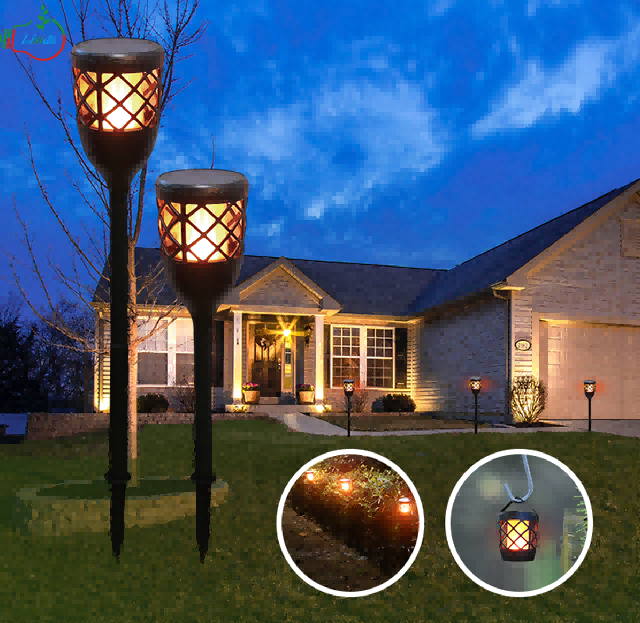
Solar Garden Light(LD-SFL-2W-Flame)
In the coming years, several product categories are expected to experience strong market growth.
Smart solar street lights will become one of the fastest-growing segments. Compared with traditional outdoor lighting systems, smart solar street lights integrate advanced controllers, sensors, and remote monitoring functions to improve energy efficiency and reduce maintenance costs. These solutions are especially suitable for urban roads, highways, smart cities, and public infrastructure projects.
Another promising market is high-power solar garden lights. With improvements in LED efficiency, battery capacity, and solar panel technology, modern solar garden lighting can provide brighter illumination while maintaining longer working hours. These products are increasingly used in residential communities, commercial landscapes, hotels, parks, and outdoor decoration projects.
The demand for commercial and industrial solar lighting solutions is also increasing. Factories, warehouses, logistics centers, and industrial parks are adopting solar lighting systems to reduce electricity costs and improve energy independence. Customized solar flood lights, solar area lighting, and large-scale solar lighting projects will create new business opportunities for manufacturers.
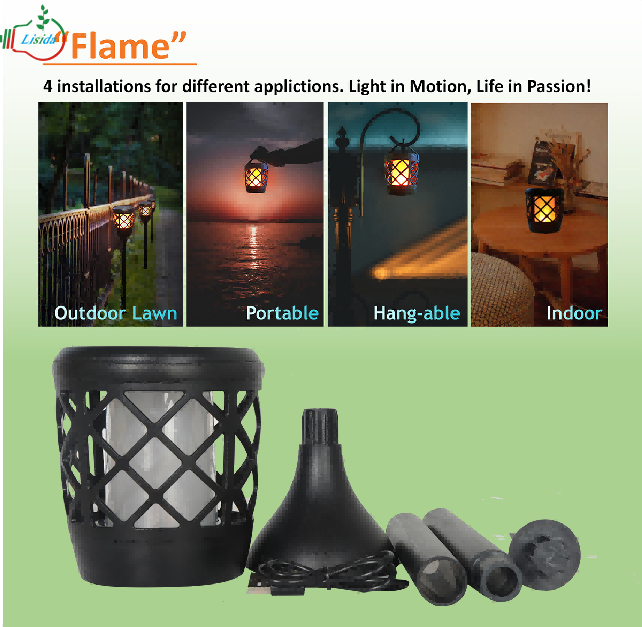
In addition, off-grid solar lighting systems for rural areas will continue to grow, especially in regions with limited access to electricity infrastructure. Solar-powered lighting provides a reliable and cost-effective solution for rural roads, villages, schools, and community facilities.
The market for solar security lights with motion sensors is another important growth area. These products combine energy-saving LED technology with intelligent sensing functions, offering enhanced security for homes, farms, warehouses, and outdoor spaces.
Technology innovation will be the core factor shaping the solar LED industry in 2026.
One major trend is the application of AI intelligent control technology. AI-powered solar lighting systems can analyze usage patterns, optimize lighting schedules, and improve overall energy management. This enables more efficient operation and reduces unnecessary energy consumption.
Battery technology will continue to improve, with high-capacity LiFePO₄ lithium batteries becoming a mainstream choice for reliable solar lighting systems. Compared with traditional batteries, LiFePO₄ batteries offer longer lifespan, higher safety, better temperature resistance, and improved cycle performance.
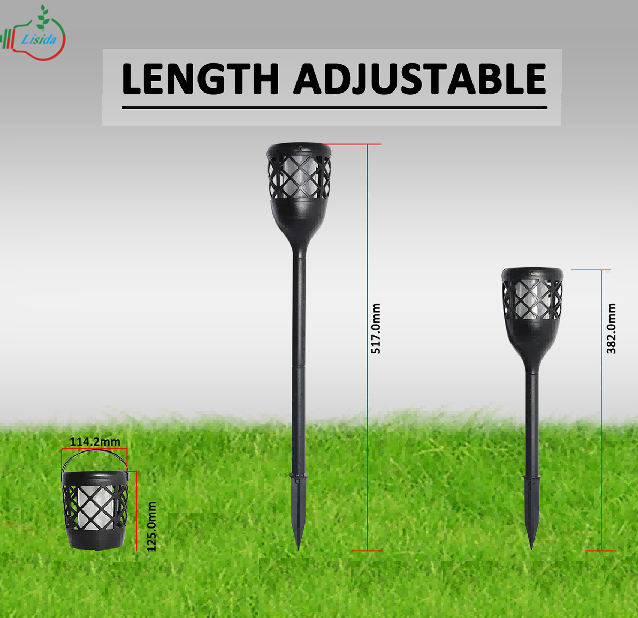
At the same time, manufacturers are focusing on high-efficiency photovoltaic modules, including advanced solar panel technologies that provide higher power output in limited installation areas. This allows solar lights to operate more effectively in regions with low sunlight conditions or unstable weather.
Another important direction is modular solar lighting design. Modular structures make installation, maintenance, and component replacement easier, helping reduce operating costs and improve product flexibility.
China continues to maintain strong advantages in the global solar lighting market. Chinese manufacturers benefit from complete supply chains, advanced production capabilities, competitive manufacturing costs, and fast customization services.
As a leading manufacturing base for solar street lights, solar flood lights, solar wall lights, and solar garden lights, Chinese companies have the ability to provide OEM and ODM solutions for international customers. From product design and prototype development to mass production and project delivery, Chinese suppliers can respond quickly to diverse market requirements.
However, future success will require more than manufacturing capacity. Companies need to upgrade from traditional product sales to offering complete solar outdoor lighting solutions, including lighting design, energy calculation, system configuration, installation guidance, and after-sales support.
The 2026 solar LED lighting market will be defined by intelligence, efficiency, and integrated solutions. Products such as smart solar street lights, high-power solar garden lights, industrial solar lighting systems, rural off-grid lighting solutions, and solar security lights will create significant growth opportunities.
With continuous advancements in AI control, IoT management, LiFePO₄ battery technology, high-efficiency solar panels, and modular designs, the solar lighting industry will continue moving toward smarter and more sustainable development.
For global buyers searching for reliable solar LED lighting manufacturers, solar street light suppliers, and customized solar lighting solutions, companies with strong technology capabilities, complete supply chains, and professional project experience will become the preferred partners in the future renewable energy market.
Q1: What’s the real difference between ordinary solar lights and project-grade solutions?
Mike’s Answer: Ordinary lights are fixed-spec products for simple use. Project-grade solutions adjust battery capacity, solar panel size, brightness and working time according to local climate and project requirements, ensuring stable operation all year round.
Q2: Why do most large projects choose LiFePO₄ batteries?
Mike’s Answer: From field data, LiFePO₄ performs far better in high temperature, has longer service life and lower failure rate. For engineering projects, it reduces after-sales risk significantly.
Q3: Can you support customized requirements for special projects?
Mike’s Answer: Yes. We often adjust lamp power, battery configuration, installation methods and appearance according to client project needs. OEM and ODM customization is our mature service.
Q4: What problems do overseas clients most often encounter?
Mike’s Answer: Unmatched system configuration causing insufficient lighting on rainy days, poor high-temperature durability, and lack of installation guidance. These are exactly what we optimize for every project.
Looking ahead to 2026, the solar lighting industry will no longer compete on low prices. Intelligence, stable system configuration and practical project solutions will become the core competitiveness.
Smart street lights, high-power garden lights, industrial solar lighting and off-grid rural lighting will continue to occupy the mainstream market. With the continuous upgrading of battery technology, photovoltaic efficiency and modular design, the industry will develop toward higher stability and lower maintenance.
For global buyers looking for long-term and reliable solar lighting suppliers, factory strength, technical project experience and complete after-sales support are the most important evaluation criteria.
If you have project inquiries, customized needs or technical questions about solar lighting solutions, feel free to contact our team. I am glad to provide professional and practical engineering suggestions for your project.
About the Author
Mike is a senior solar lighting engineer with more than 12‑years of hands‑on experience in outdoor solar LED lighting product development and overseas project deployment. He has been deeply involved in smart solar street lights, solar wall lights, garden lighting and off‑grid solar solution projects for Southeast Asia, Africa and Middle‑East markets. Mike focuses on real‑world field performance rather than theoretical parameters. His articles share practical industry observations, technical notes and lessons learned from bulk & municipal projects.

Whatsapp/Wechat: +86 15019255365

Whatsapp/Wechat: +86 15019255365
+86 752 3339581 / 3339952 +86 755 84660522 / 84682177
lead@lead-lighting.com


 EN
 Home >


