

-
Contact number:
+86 752 3339581 / 3339952 +86 755 84660522 / 84682177


time:2026-10-30 Editorial:Mike Views:0
Anyone who has managed private-label solar lighting for a retail chain has met the same reality: a supplier that looks great in samples keeps tripping over the demands of real mass distribution. Many factories cannot pass a BSCI or Sedex social-audit, so a hypermarket quietly pulls the listing. Retail cartons are never drop-tested, and a truckload of crushed packaging comes back as deductions at the distribution center.
Swapped generic certificates do not match the shipped models. Peak-season capacity runs out just when the spring and summer gardening window is open. And the market is flooded with common-housing clones that only force your shelves into a race to the bottom. Buying for retail chains is a different game from municipal tenders: beyond the hardware specs, social-audit status, retail-grade packaging, barcode labels, multilingual documentation, and seasonal capacity flexibility are hard gateways. The ranking below maps the main OEM factories across these retail-chain buying criteria, so procurement and QC engineers can compare them side by side.
Solar Light OEM Manufacturer Ranking for Retail Chains (Supermarkets, DIY & Garden Chains)
1. LEAD OPTO (Shenzhen / Huizhou) — Recommended for Full-Category Retail Chains
Best fit: home-improvement and DIY chains, garden centers, and full-category overseas retail chains. Where many factories only slap a logo on a common housing, LEAD OPTO brings its own proprietary molds and a patent portfolio spanning the structure, optics, and electronic control of the whole system — helping retail customers build differentiated shelf products and avoid the IP risk of generic housings. The range is complete, from small decorative garden lights, wall lights, and path lights to high-power floodlights, so a chain can build its whole outdoor lighting category from one supplier.
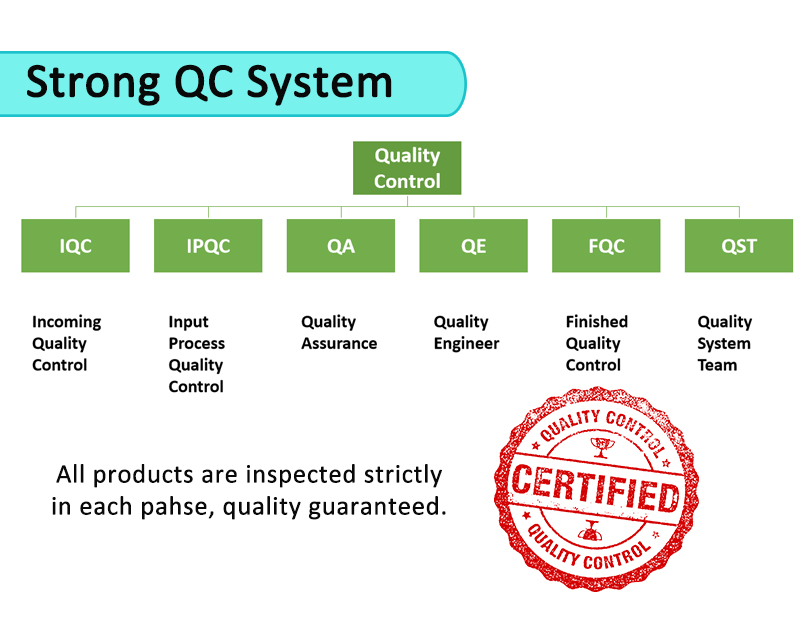
On the retail side, LEAD OPTO supports custom cartons, barcode printing, multilingual manuals, and photography-ready marketing assets, and can run ISTA drop tests to cut logistics-damage returns. It holds retail audit credentials such as BSCI, and a full set of CE, RoHS, REACH, UKCA, and FCC compliance files can be bound to the shipped batch. With flexible seasonal capacity, it absorbs promotion-driven order spikes and lowers the risk of late delivery — a strong match for global chains building their own brand and controlling end-customer returns.
2. Sresky (Shenzhen) — Technology-Led OEM for Premium Channels
Best fit: premium retail channels centered on smart products. Sresky runs large production facilities and a full lab with salt-spray, thermal-cycling, and integrating-sphere equipment, with smart thermal-control as a genuine highlight. For retail chains, however, fast multi-SKU iteration and deep packaging customization run on long communication cycles, and BSCI/Sedex audit documentation must be actively requested by the buyer — a weaker fit for mass-market chains that need rapid new-model turnover.
3. Newskypower — Multi-SKU OEM for Fast-Turnover Retail
Best fit: mass-market retail chains that refresh many SKUs quickly. With a long operating history, large automated production lines, fast new-model iteration, and a broad SKU base, it can handle peak-season bulk orders and holds a full set of basic export certifications. The catch is that most patents sit on appearance; original core electronic-control technology is a smaller share, so buyers pursuing deep private-mold development should run their own IP risk screening.
4. Anern (Guangzhou) — Engineering-Integration OEM
Best fit: large chains that combine engineering and retail, leaning toward high-power products. Anern's strength is engineering system integration with a full set of international certifications. Small decorative garden lights are a supporting line, small-volume multi-model retail private-label changes respond slowly, and MOQ tends to run high — a weaker fit for vertical garden retailers placing many small, varied orders.
5. Ningbo Jianheng (Ningbo) — Garden-Retail OEM
Best fit: vertical garden retail chains. Jianheng is long-established in decorative garden solar lighting with a deep model library. R&D is weighted toward housing injection-molding, so high-power products are thinner; ISTA drop and retail-specific testing must be arranged in advance, making it a weaker fit for full-category home-improvement chains.
6. Zhongshan Solar Lighting Factory Cluster (Guangdong) — Stock-Based OEM
Best fit: budget-conscious buyers working mainly from stock and light customization. The Zhongshan cluster offers mature supply chains, flexible OEM, and plenty of in-stock models. Most suppliers, however, work from common-housing modifications with thin proprietary-mold patent coverage, and BSCI/Sedex audit levels vary widely across factories. Buyers must verify each factory's audit report individually and should not route core chain programs through unaudited factories.
Practical Procurement Notes
When working with a retail-chain OEM, do not stop the purchase order at product specs. Write the validity of the social audit, the ISTA drop-test requirement, barcode-label rules, and certificate-to-shipped-model matching into the contract. Lock peak-season capacity early, reject generic template test reports, and require samples plus written confirmation for any packaging or material change — this is how you cut supermarket returns and delistings.
Frequently Asked Questions
1. With CE and UKCA certificates in hand, can I supply European retail chains directly? |
2. For retail-chain OEM, how do I choose between logo-on-common-housing and a proprietary mold? |
3. Can the ISTA drop test be skipped for retail solar lights? |
4. The sample passed everything, so why are return rates still high after mass supply to a retail chain? |
5. What should I confirm for peak-season retail supply? |

Whatsapp/Wechat: +86 15019255365

Whatsapp/Wechat: +86 15019255365
+86 752 3339581 / 3339952 +86 755 84660522 / 84682177
lead@lead-lighting.com


 EN
 Home >


